Battlefield simplification plan nets $12 million savings
BAGRAM AIRFIELD, AFGHANISTAN—When the 101st Sustainment Brigade arrived in Afghanistan late last year, Brigade Commander Col. Michael Peterman and his staff set their sights on simplifying the logistical battlefield after 10 years of war.
From this objective came a project called "BAF After Next," which reconfigured the logistical environment at Bagram. As part of the project, a "billing of material" (BOM) yard was subject to a thorough internal inspection. It uncovered $12 million in unaccounted for and highly desirable building materials.
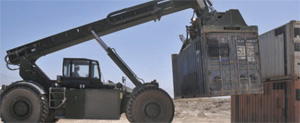
Millions of dollars of unused supplies have been found in a "billing of material" yard at Bagram Airfield. The 101st Sustainment Brigade and a DLA support team scoured open orders and distributed the supplies to units in need of the material. (Photo by Sgt. 1st Class Pete Mayes)
"All this material showed up that no one knew about," said Capt. Rob LoMonaco, the operations officer for the Defense Logistics Agency (DLA) Support Team – Bagram Detachment. "The key thing is that we figured out what it was and where it came from."
After the material was identified, the mobile retrograde team for DLA came in and inventoried the containers. Inside they found plumbing and electrical materials as well as other soldier life support supplies—all of which are crucial to service members on smaller forward operating bases (FOBs).
The team then scoured open orders from outlying FOBs and distributed the supplies to units with needs and FOBs building their bases, said Sgt. 1st Class Patrick Hall, the noncommissioned officer in charge of the brigade Router Identifier Code – Geographic (RIC GEO) section, which deals with all classes of supplies coming into theater.
"It was critical supplies just lying around," he said. "The customers didn't have to wait for their order to come into country. It was already here."
"We found some battle space owners who needed it and shipped it to them," LoMonaco said. "It helped a lot of units with material they needed. If they break a pipe, they can't just order a new one and receive it immediately."
As the materials were being inventoried and distributed, the brigade, DLA, and the Combined Joint Task Force-101 (CJTF-101) logistics and finance sections sat down and worked out a plan. The policy they drafted provides for only vital equipment and supplies to be brought into theater.
By limiting orders to essential materials and supplies, air and ground transportation are free for other, more critical missions, LoMonaco said. Aside from the $12 million saved with the project, potentially millions more were saved in transportation costs.